Looking at Pacific Palisades and wondering whether canyon, bluff, or Village living fits you best? You are not alone. Even within one community, these three settings can feel very different in how they look, move, and live day to day. This guide will help you understand the geography, lifestyle tradeoffs, and current context so you can focus your search with more confidence. Let’s dive in.
Why Pacific Palisades Feels Like Several Markets
Pacific Palisades is not one uniform neighborhood. Los Angeles planning materials describe a community shaped by mesas and canyons, including Santa Monica, Rustic, Temescal, and Santa Ynez Canyons, rather than a strict street grid. That topography is a big reason homes can feel so different from one area to the next.
The Village adds another layer. City materials identify a small business district at the core of the community around Sunset Boulevard and Via de la Paz. Planning overlays, including the Village-specific plan and the dual coastal zone, also help explain why canyon, bluff, and Village-adjacent homes often operate like distinct micro-markets.
Local area maps reinforce that idea. Residents and planners often refer to recognizable sections such as Castellammare and Los Liones near the bluffs, Santa Monica and Rustic Canyon in the canyon areas, and the Sunset corridor and Marquez Knolls near more central parts of the Palisades. For you as a buyer, that means the right fit is often less about the ZIP code and more about the landform and daily routine you want.
Canyon Living in Pacific Palisades
What defines canyon homes
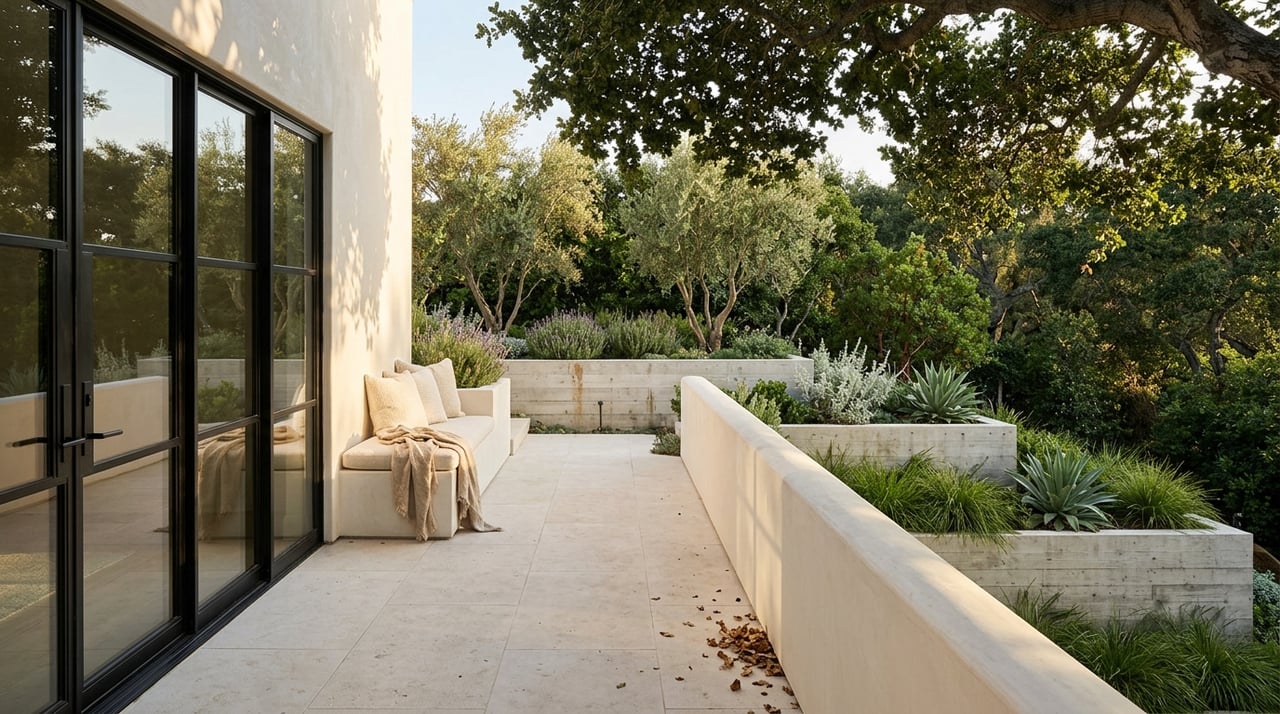
Canyon living is the most secluded and landscape-driven version of the Palisades. In these areas, the terrain shapes the streets, so roads tend to meander rather than follow a flat grid. The result is a setting that often feels tucked away, green, and closely connected to the natural contours of the land.
Public open space is a major part of the canyon experience. Temescal Gateway Park includes 141 acres of oak and sycamore canyons with ridge views and trail access, while Topanga State Park offers 36 miles of trails in the cliffs and canyons of the Santa Monica Mountains. Rustic Canyon Recreation Center also adds a neighborhood recreation anchor along Latimer Road.
How canyon areas tend to look and feel
Architecturally, canyon areas often read as older, lower-slung, and more responsive to the landscape. SurveyLA describes early Rustic Canyon development as including rustic cabins, Craftsman bungalows, and vernacular log-faced cabins. It also notes ranch-style planning in nearby districts, with low horizontal massing, rambling layouts, wood or stucco exteriors, and streets designed around the terrain.
That design language matters because it shapes the feel of everyday life. In many canyon settings, privacy, mature vegetation, and a tucked-away atmosphere take priority over formal frontage. Features like meandering cul-de-sacs, landscaped islands, and fewer urban-style elements such as sidewalks and streetlights support that more sheltered residential character.
What daily life may look like
If you are drawn to nature and privacy, canyon living may stand out. Trail access, winding roads, and parkland are the main organizing features of these areas. In practical terms, that usually means more drive dependence for errands compared with the Village core.
There is also a current recovery context to keep in mind. Temescal Canyon Park is in active restoration after the Palisades Fire, with the city describing work related to trails, landscaping, irrigation, and erosion control. So while the geography remains a core part of the appeal, your near-term experience of access and amenities may still be evolving.
Bluff Living in Pacific Palisades
What sets bluff properties apart
Bluff living is the most view-oriented and coast-facing option in Pacific Palisades. SurveyLA notes that Castellammare was developed on the bluffs west of Santa Ynez Canyon and conceived as a Mediterranean community. The area is also known for stone retaining walls and steep concrete stairways, which help create a more vertical and terraced feel than flatter sections of the Palisades.
This is often the most visually dramatic setting of the three. The coastal edge, elevation, and terraced streets combine to create a strong relationship to the ocean and coastline. If your vision of the Palisades starts with expansive water views and a strong sense of place above the shore, the bluff areas may feel especially compelling.
Why regulations matter on the bluffs
Bluff homes are shaped not just by views, but also by building constraints. City coastal-permit findings state that Pacific Palisades bluff-top standards require a 25-foot setback from the edge of a coastal bluff and a 10-foot setback from the edge of a canyon bluff. Projects in the coastal zone can also involve permit jurisdiction from both the City of Los Angeles and the California Coastal Commission.
For you, the practical takeaway is simple. Bluff lots can offer exceptional outlooks, but they may also come with a tighter building envelope and more design considerations than flatter Village-adjacent parcels. If you are looking at a remodel, rebuild, or custom project, those rules can play an important role in what is possible.
What daily life may look like
Bluff living is usually the most beach-oriented experience of the three. Homes here sit above the coastline, and the geography creates a lifestyle that feels scenic, airy, and exposure-driven. Even when the Village is not far away, the mood often centers more on views, breezes, and the coast than on quick daily errands.
That difference can be meaningful. Some buyers want the drama of a terraced coastal setting and are happy to prioritize outlook and atmosphere. Others may decide they prefer easier daily routine over maximum visual impact.
Village-Adjacent Living in Pacific Palisades
Why the Village is the routine hub
The Village area is the historic commercial heart of Pacific Palisades. City sources place that center around Sunset Boulevard and Via de la Paz, and Council District 11 describes the Palisades as a primarily residential community with a small business district at its core. That centrality gives Village-adjacent living a very different rhythm from canyon or bluff areas.
As of July 2026, Palisades Village is scheduled to reopen on August 15, 2026. The official announcement frames it as a shopping, dining, and entertainment destination for Pacific Palisades and surrounding communities. That reopening is an important part of the area’s ongoing recovery and will likely shape how residents experience the neighborhood in the near term.
What homes near the Village tend to offer
Village-adjacent housing usually feels flatter, more street-grid-oriented, and more convenience-focused. Current public listing language in areas like the Alphabet Streets often emphasizes flat lots and close proximity to Palisades Village. In contrast to the winding roads of the canyon areas or the terraced form of the bluffs, this part of the Palisades often feels more straightforward in layout.
This zone can also offer a mix of housing opportunities. Public listing examples suggest that finished homes, larger lots, and rebuild opportunities all appear in the Village-adjacent market. For buyers who want flexibility, that can make this area worth a close look.
What daily life may look like
Village-adjacent living is generally the most walkability-oriented option of the three. Based on the location of the commercial core and the language used in current listings, it is the most plausible fit for shorter errands, coffee stops, and getting to nearby neighborhood amenities on foot. If you care about routine convenience, this is often the easiest lifestyle to picture.
That does not mean every home is equally walkable, but the pattern is more favorable here than in canyon or bluff settings. If your priorities include day-to-day efficiency, flatter streets, and easier access to the community core, Village living may rise to the top quickly.
How to Choose the Right Fit
Choosing between canyon, bluff, and Village living usually comes down to how you want your home to support your everyday life. The best option is not universally better. It is the one that aligns most closely with your pace, preferences, and plans.
Here is a simple way to think about it:
- Choose canyon living if you want privacy, mature landscape, and close connection to trails and open space.
- Choose bluff living if views, coastal setting, and a dramatic sense of place matter most to you.
- Choose Village-adjacent living if convenience, flatter streets, and proximity to the community core are your biggest priorities.
It is also smart to think beyond photos. In Pacific Palisades, topography shapes everything from street patterns to building constraints to how your day unfolds. A home that looks perfect online can feel very different once you experience the route, the terrain, and the surrounding context in person.
A 2026 Note on Pacific Palisades Recovery
One important nuance for today’s buyers is that Pacific Palisades is still in recovery after the January 2025 fire. The broader geography of canyon, bluff, and Village living has not changed, but access, amenities, and neighborhood rhythm may still feel different than they did before. That is especially relevant in places tied closely to parks, trails, and the Village core.
For example, Palisades Village has a scheduled reopening date in August 2026, and California State Parks has reported major damage to facilities at Will Rogers. If you are evaluating the area now, it helps to look at both the long-term character of each setting and the short-term realities of recovery and restoration.
Pacific Palisades has always been a collection of distinct micro-lifestyles rather than one single experience. If you want help narrowing down which part of the Palisades fits your goals, Stacy White can help you explore the Westside with local insight and a thoughtful, concierge-level approach.
FAQs
What is canyon living like in Pacific Palisades?
- Canyon living in Pacific Palisades is generally the most secluded and nature-oriented option, with winding roads, trail access, mature vegetation, and homes that often respond closely to the terrain.
What makes bluff homes different in Pacific Palisades?
- Bluff homes in Pacific Palisades are typically defined by ocean and coastline views, terraced streets, and added coastal setback and permitting considerations that can affect design and building options.
What is Village-adjacent living like in Pacific Palisades?
- Village-adjacent living in Pacific Palisades is usually the most convenience-focused setting, with flatter streets, closer access to the commercial core, and a stronger day-to-day walkability pattern.
Is Pacific Palisades one neighborhood or several micro-markets?
- Pacific Palisades functions more like several micro-markets because canyons, bluffs, and the Village core each create different street patterns, housing feel, and lifestyle tradeoffs.
How does the 2025 fire affect living in Pacific Palisades now?
- The Palisades is still in recovery, so some parks, trails, facilities, and neighborhood rhythms may be in transition even though the core differences between canyon, bluff, and Village living remain in place.