If you are torn between a sleek new build and a storied estate in Beverly Hills, you are asking the right question. In this market, the choice is rarely just about age. It is about lifestyle, architecture, future work, and how a home fits its exact pocket of the city. This guide will help you compare new vs. historic homes in Beverly Hills so you can make a smarter move with clearer expectations. Let’s dive in.
Why Beverly Hills Is Not One Market
Beverly Hills has distinct single-family areas, and each comes with different rules and ownership considerations. The Central Area, Hillside Area, and Trousdale Estates all operate a little differently, especially when it comes to exterior changes, construction, and review.
That matters because a "historic vs. new" decision in The Flats is not the same as that decision in Trousdale Estates. Even pricing reflects that micro-market split. Public market data currently places average home values at about $10.3 million in The Flats, about $11.0 million in Beverly Hills Gateway, and about $7.8 million in Trousdale Estates, based on Zillow Home Value Index figures rather than closed sales.
In other words, the city name gets you only so far. In Beverly Hills, neighborhood context, lot setting, and housing stock often shape value just as much as the home’s age.
What Defines a Historic Home Here
In Beverly Hills, historic does not simply mean old. The City’s landmark criteria generally require a property to be at least 45 years old, unless it is extraordinarily significant, and the home must retain integrity and historic value while representing a style, type, period, or important association.
The City also conducts historic resource surveys to identify places with social, historical, and architectural significance. That means two homes built in the same decade may not follow the same path for remodeling or redevelopment. One may have broad flexibility, while another may fall into a more structured review process because of landmark status or contributing historic value.
For buyers and sellers, that distinction is important. A home can feel classic and still function like a standard resale, while a designated landmark can carry both prestige and additional preservation oversight.
Beverly Hills Architecture Shapes Demand
A major reason historic homes remain so compelling in Beverly Hills is architectural identity. The City’s historic survey notes that Beverly Hills is especially known for period revival architecture, including Spanish Colonial Revival, Tudor Revival, American Colonial Revival, French Eclectic, Beaux-Arts, and Italian Renaissance Revival.
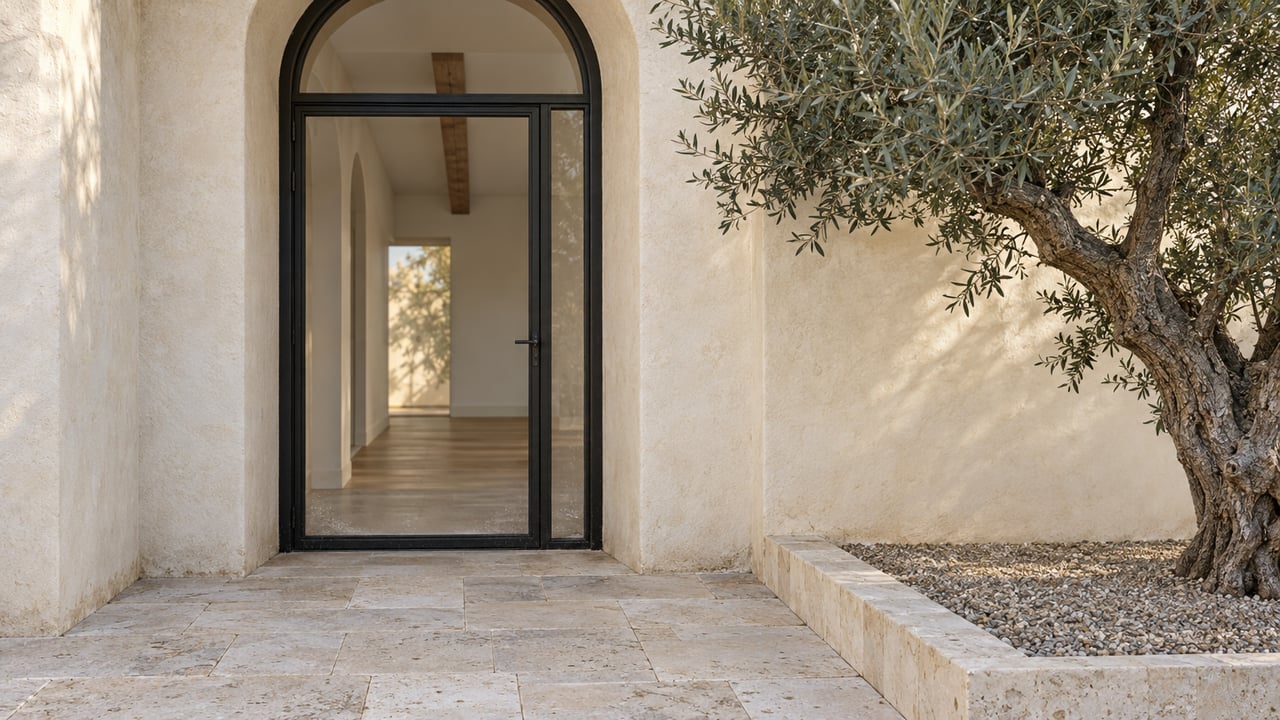
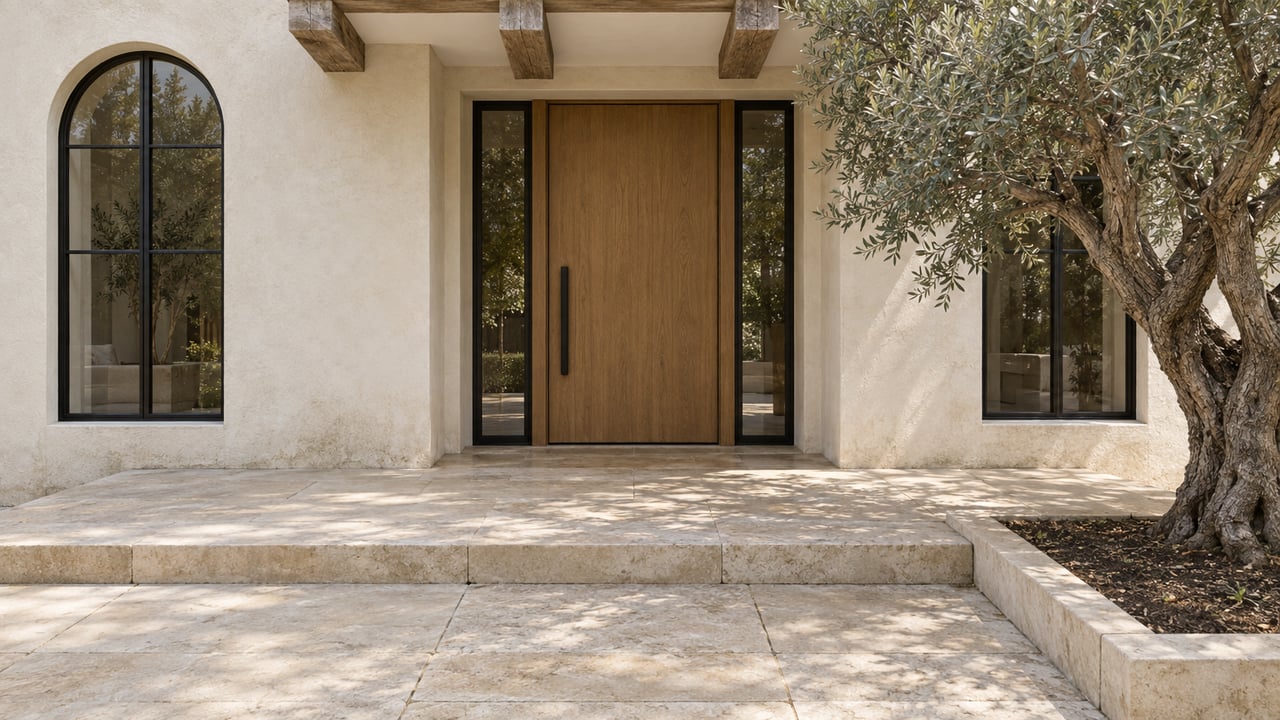
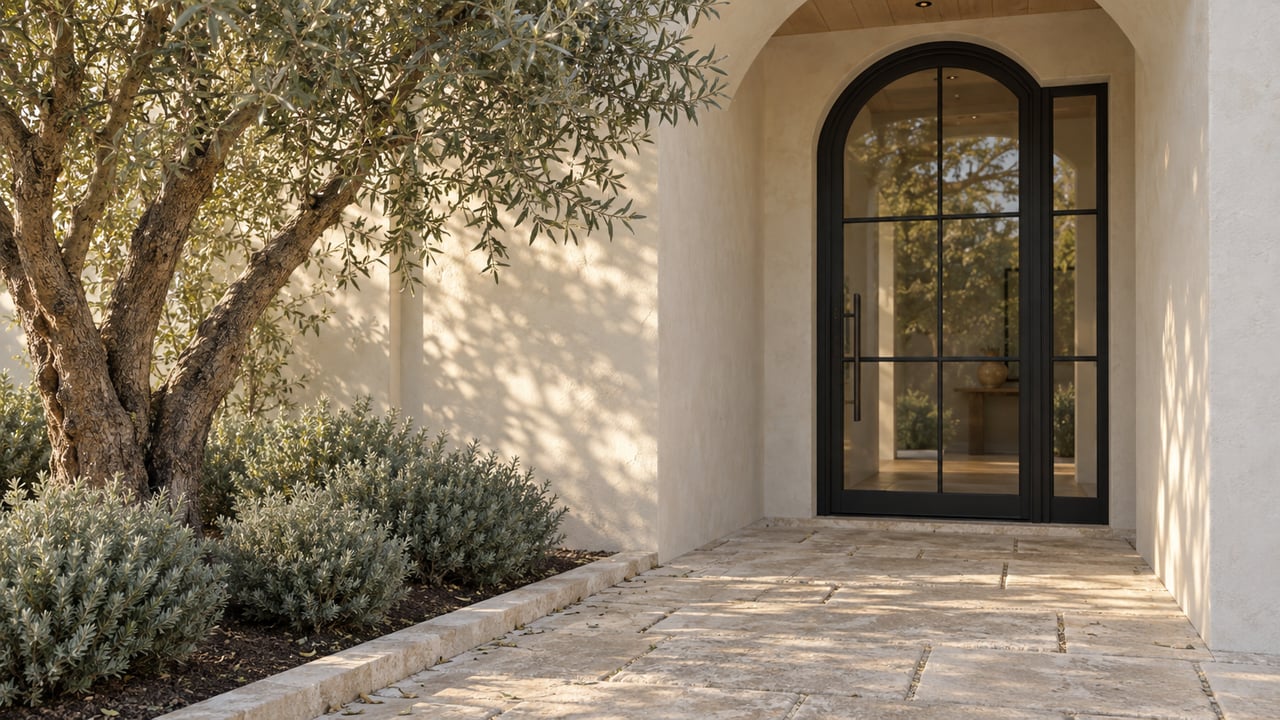
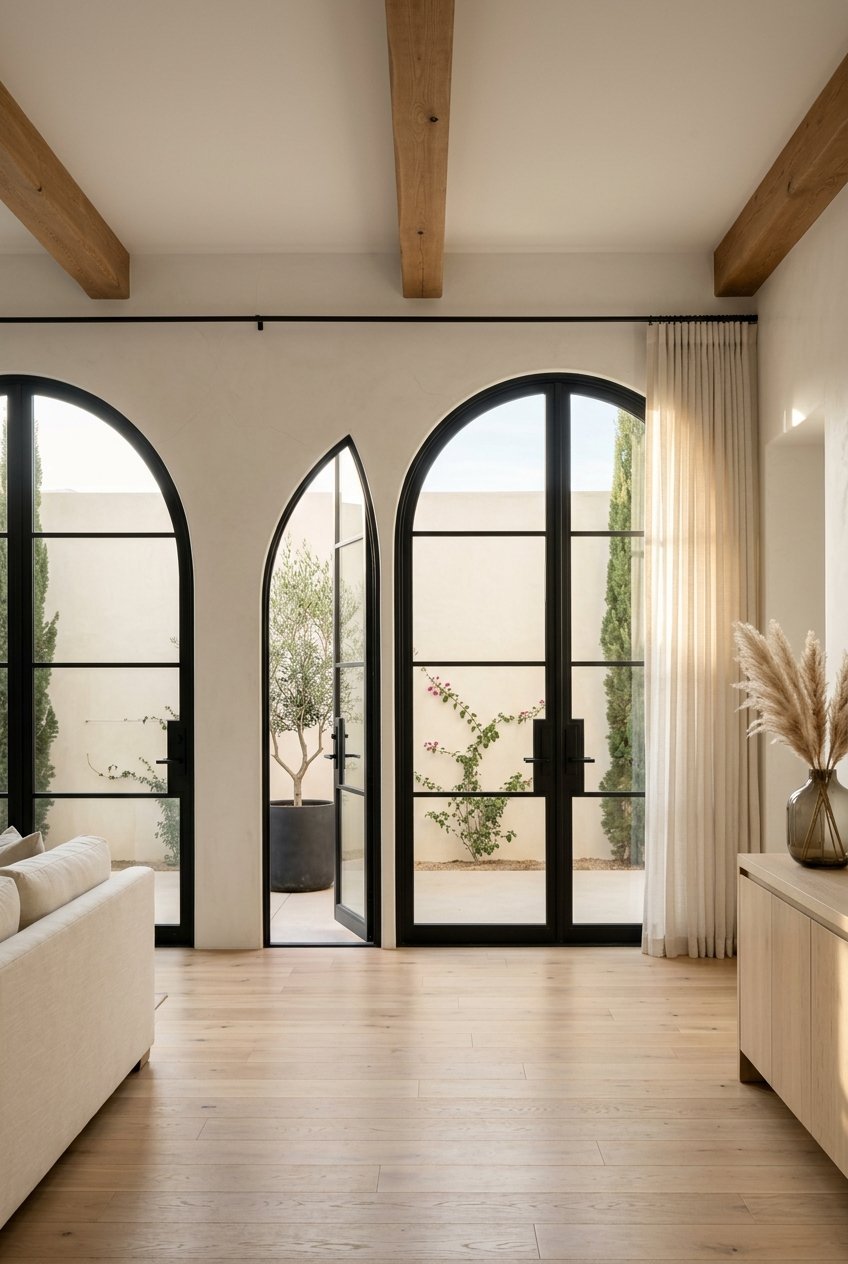
Spanish Mission Revival details still resonate strongly with today’s buyers. Features like low-pitched roofs, stucco walls, arched openings, courtyards, wrought iron, and red tile roofs continue to feel rooted in Beverly Hills rather than dated.
Many of the city’s best-known historic homes are substantial estates, not small starter homes. Landmark examples such as 1000 N Crescent Drive and Greystone Mansion show why historic ownership here often means living in a home with design pedigree, formal planning, and a true sense of permanence.
New Construction Has Its Own Beverly Hills Appeal
New construction in Beverly Hills tends to sell a different kind of luxury. Rather than history and architectural lineage, it offers certainty, convenience, and a floor plan designed for how people live now.
Current listings make that clear. A newly constructed estate at 605 N Rexford Drive in The Flats is marketed with seven bedrooms, ten bathrooms, a theater, gym, steam room, resort-style pool, and a six-car garage. In Trousdale Estates, 1675 Carla Ridge is a 2023-built home designed around views, outdoor living, and a curved pool.
For many buyers, that turnkey appeal is the point. If you want fewer immediate repairs, all-new systems, and integrated indoor-outdoor entertaining, new construction can feel easier to own from day one.
Historic Homes Offer Scarcity and Story
Historic Beverly Hills homes usually appeal for a different reason. You are often paying for architecture, lot quality, character, and the feeling that the home could not simply be replicated elsewhere.
That emotional value can be very real in this market. A 1924 Spanish-style home like 505 N Roxbury Drive in The Flats can still trade as a premium lifestyle property because the architecture and location align so well. In Trousdale, a restored 1959 home by Rex Lotery at 1061 Loma Vista Drive shows how mid-century pedigree can be just as valuable as newness.
This is why Beverly Hills buyers rarely reward age alone. They tend to value condition, originality, location, and how thoughtfully a home has been preserved or updated.
The Real Trade-Off: Certainty vs. Character
At a high level, new and historic homes in Beverly Hills are adjacent luxury products, not simple opposites. New construction tends to offer control, modern functionality, and a more predictable ownership experience. Historic homes tend to offer scarcity, identity, and a deeper architectural story.
Neither category is automatically better. The better fit depends on how you want to live and how much complexity you are comfortable taking on after closing.
If you are deciding between the two, think about these questions:
- Do you want move-in-ready systems and amenities?
- Do you care more about original architecture and pedigree?
- Are you open to renovation or restoration work?
- Would preservation review feel manageable or frustrating?
- Is your priority a turnkey lifestyle or a one-of-a-kind home?
Renovation Rules Can Change the Equation
In Beverly Hills, renovation is where this conversation becomes more practical. The rules differ by area, and they can affect cost, timeline, and design freedom.
In the Central Area, exterior changes visible from the street can require design review. In the Hillside Area, there is no design review, but the City still regulates things like height, setbacks, landform alteration, and view preservation. Trousdale Estates has its own standards and special construction rules.
For a buyer comparing homes, these differences matter just as much as square footage. The same remodeling idea may move very differently depending on where the property sits.
Historic Review Is More Structured
For designated historic properties, exterior changes can require a Certificate of Appropriateness. That process can cover alteration, restoration, reconstruction, relocation, rehabilitation, stabilization, demolition, or changes to exterior appearance.
City review for landmark properties uses the Secretary of the Interior’s Standards. So if you are buying a landmark or a qualifying historic resource, you should expect a more curated ownership experience rather than a blank-slate approach.
That does not mean historic ownership is a bad fit. It simply means the value of the home is often tied to the very features the City is working to protect.
Trousdale Adds Construction Logistics
Trousdale Estates deserves separate attention because it is both architecturally significant and operationally unique. The City has adopted special construction parking and hauling measures there, which can make major remodels and rebuilds more logistically involved.
That is especially relevant if you are comparing a restored mid-century home with a teardown or a recent new build. In Trousdale, the design decision is only part of the equation. The path to executing work can be more complex too.
Not Every Older Home Is Truly Historic
One of the biggest misconceptions in Beverly Hills is assuming that every older home comes with the same restrictions. That is not the case.
Some older homes can still be remodeled or rebuilt with more flexibility than a designated landmark-quality property. Others may already have a recognized preservation status that puts them on a more structured review path.
This is why due diligence matters so much here. Before you fall in love with a facade or a floor plan, it helps to understand what the City may allow you to change later.
There Can Be Financial Upside to Historic Status
Historic ownership is not only about limitations. Beverly Hills says Mills Act contracts can provide a potential property tax reduction to help restore and maintain qualifying landmark buildings.
To qualify, the property must be a designated City landmark, and applications are due by May 31 each year. The City also offers a Historic Incentive Permit program that can waive or modify standards such as height, floor area, setbacks, parking, and slope rules in appropriate cases.
For the right buyer, that can create a more balanced picture. A landmark property may require preservation sensitivity, but it may also come with incentives that support long-term stewardship.
Beverly Hills Also Has a Middle Ground
In this market, the line between new and historic is not always sharp. Some homes blend original character with modern systems so successfully that they appeal to both camps.
A good example is 605 N Elm Drive, a newly completed estate described as rooted in the elegance of the 1920s and fully transformed through a 2026 renovation. Homes like this can offer the visual language of classic Beverly Hills with the comfort and function buyers expect today.
That hybrid category is often worth a close look. If you love architecture but want less maintenance uncertainty, a thoughtfully restored or reimagined home may give you the best of both worlds.
What Buyers Should Prioritize
If you are buying in Beverly Hills, start with your tolerance for projects. A turnkey new home may save time and reduce near-term surprises, while a historic or older estate may require more planning even if it has been beautifully maintained.
Next, think about whether you are buying a lifestyle or a legacy. If your priority is effortless daily living with modern amenities, new construction may fit best. If you want a home with visual identity, cultural resonance, and lasting character, a historic property may feel more meaningful.
Finally, match the house to the enclave. In Beverly Hills, homes often perform best when they feel in sync with neighborhood expectations, whether that means a classic period estate on a legacy block, a sympathetic modern in Trousdale, or a high-quality new build that still feels rooted in local architecture.
What Sellers Should Understand
If you are selling, the main question is not whether your home is old or new. It is whether the home’s condition, design language, and presentation align with what buyers expect in that pocket of Beverly Hills.
Landmark status can be a marketing asset because it signals pedigree and integrity. At the same time, it can narrow the buyer pool to those who are comfortable with preservation oversight.
For newer homes, buyers usually expect a smoother ownership path, modern amenities, and strong turnkey presentation. For historic homes, buyers usually respond best when the property’s character, maintenance story, and architectural significance are clearly communicated.
The strongest outcomes often come when the home is positioned honestly and strategically. In a market this nuanced, that kind of storytelling matters.
If you are weighing a Beverly Hills purchase or preparing a home for sale, it helps to work with a team that understands how architecture, micro-market, and renovation realities intersect. Stacy White offers a white-glove, locally informed approach that can help you evaluate the trade-offs and navigate the details with confidence.
FAQs
What is the difference between new and historic homes in Beverly Hills?
- New homes typically offer turnkey systems, modern amenities, and a more predictable ownership experience, while historic homes usually offer architectural character, scarcity, and a stronger sense of story.
What makes a home historic in Beverly Hills?
- In Beverly Hills, a property generally must be at least 45 years old, unless extraordinarily significant, and must retain integrity and historic value while representing a meaningful style, type, period, or association.
Do historic homes in Beverly Hills have stricter renovation rules?
- Yes. Designated historic properties may require a Certificate of Appropriateness for exterior changes and follow a more structured review process.
Are all older Beverly Hills homes considered historic?
- No. Some older homes may have more remodeling flexibility, while designated landmarks and contributing historic resources usually face more formal review.
Is new construction more expensive than historic homes in Beverly Hills?
- Not necessarily. In Beverly Hills, pricing is shaped heavily by micro-market, architecture, lot, condition, and neighborhood context, not just whether a home is new or old.
What should buyers know about Trousdale Estates homes in Beverly Hills?
- Trousdale has its own standards and special construction parking and hauling measures, so major remodels and rebuilds there can be more logistically involved than in some other areas.
Are there benefits to owning a landmark home in Beverly Hills?
- Yes. Qualifying City landmark properties may be eligible for Mills Act contracts that can provide a potential property tax reduction, and some projects may benefit from the City’s Historic Incentive Permit program.
Can a Beverly Hills home be both historic in style and modern in function?
- Yes. Some properties blend classic Beverly Hills architecture with extensive modern renovation, creating a middle ground between pure historic ownership and brand-new construction.