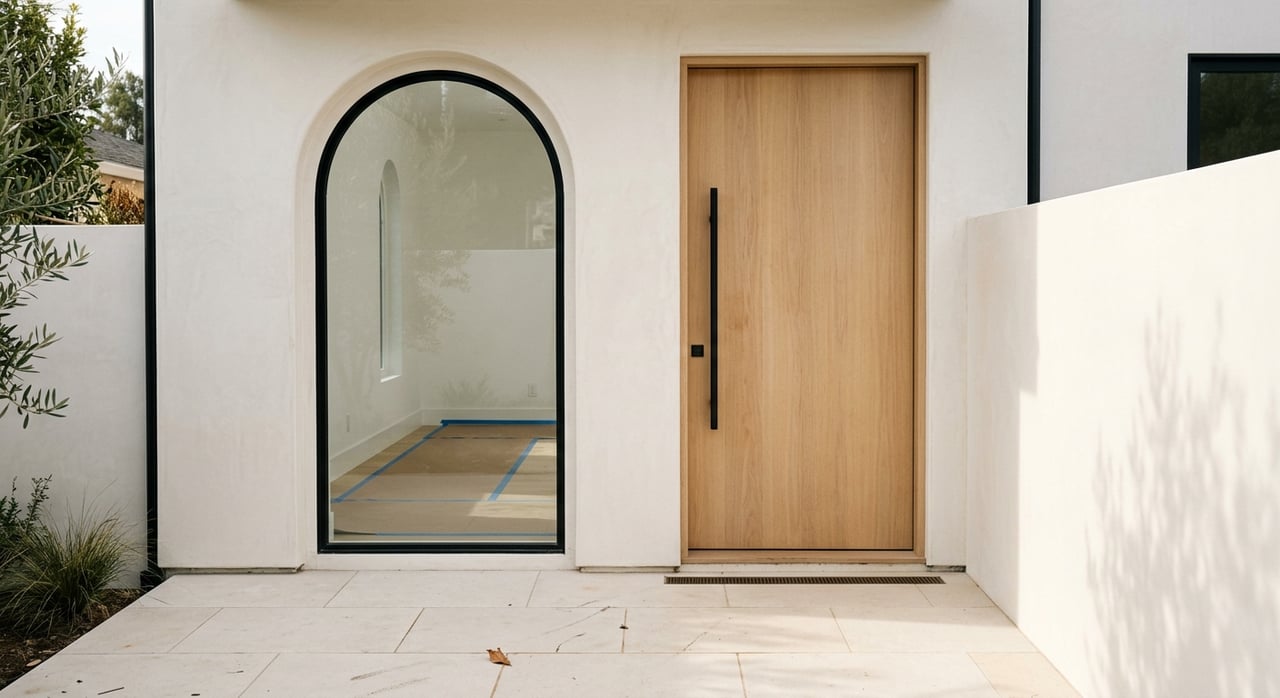
Buying a new construction home in Pacific Palisades can feel exciting right up until the paperwork starts piling up. If you are considering a pre-completion purchase, you are not just choosing finishes or watching a build timeline. You are also stepping into a process shaped by local planning rules, disclosure requirements, permits, and delivery milestones. The good news is that with the right guidance, you can evaluate the opportunity clearly and protect your position from contract to closing. Let’s dive in.
Why Pacific Palisades Is Different
Pacific Palisades is not a simple plug-and-play new construction market. According to the Brentwood–Pacific Palisades Community Plan, the area is mountainous and heavily shaped by planning controls tied to scale, height, setbacks, bulk, and neighborhood character.
That matters because two homes with similar square footage can carry very different approval paths and project risks. In many cases, value is tied not only to the finished product, but also to how the lot, views, landform, and local overlays affect what can actually be built.
Some Palisades properties may also fall within added regulatory layers such as the Coastal Zone, the Mulholland Scenic Parkway Specific Plan, the Pacific Palisades Commercial Village and Neighborhoods Specific Plan, or the San Vicente Scenic Corridor Specific Plan. The City notes that parts of Brentwood–Pacific Palisades are subject to these overlays, which can add review steps before permits are issued.
What Pre-Completion Buying Really Means
A pre-completion purchase usually means you are buying a home before final delivery, and sometimes before construction is fully complete. That can include a home that is framed, nearly finished, or part of a phased development where documents and approvals are still moving through the system.
In California, this process is disclosure-heavy by design. The California Department of Real Estate public report rules require developers in most subdivision sales to obtain the right report before offering interests for sale and before a buyer becomes obligated under the deal.
There are different report types, including preliminary, conditional, and final reports. In simple terms, that means your contract status, your cancellation rights, and the timing of closing may depend on what has been approved and disclosed at that stage of the project.
Why The Public Report Matters
The public report is one of the most important documents in a new construction purchase. The DRE explains in its Residential Subdivisions Guide that the report may disclose unusual nearby uses, zoning issues, hazard areas, title matters, assessments, transfer fees, contract terms, and other restrictions or financial arrangements that could affect ownership.
That is especially important in Pacific Palisades, where site conditions and planning overlays can shape the project as much as design choices do. If a lot is affected by coastal review, scenic protections, or other land-use controls, the paper trail can tell you as much as the renderings.
The DRE also states that buyers should receive the final public report before signing a binding contract and have a chance to read and acknowledge it before money is solicited or accepted. This is one reason your review period is not just a formality. It is a key protection.
Know The Construction Timeline
When you buy pre-completion, timing can be one of the biggest sources of stress. A home may look close to done, but legal and construction milestones still matter.
California guidance explains that subdivisions creating five or more lots or condos generally require a tentative map and final map, with final map recordation completing the legal subdivision. Separately, the Los Angeles Department of Building and Safety says new construction requires approved plans, permits, inspections, and a final Certificate of Occupancy.
For you, the practical takeaway is simple: nearly complete is not the same as fully delivered. Before you remove contingencies or plan a move, confirm where the property stands in the permit, inspection, and occupancy process.
Watch Deposits And Escrow Closely
One of the easiest mistakes in a pre-completion purchase is treating deposits like a routine resale transaction. DRE guidance says the common approach is to keep purchase money in escrow until close, although bonds and other arrangements may also be used in certain projects.
That is why your escrow instructions, contract, and public report should be reviewed together. The DRE subdivision guide also notes that developers often use bonds or cash deposits to secure improvement obligations, which can matter when common areas or public improvements are not yet finished.
If a project is still under construction, you want clear answers to questions like:
- Where is your deposit held?
- What conditions must be satisfied before closing?
- What happens if delivery is delayed?
- What rights apply if there is a material project change?
- How are unfinished improvements secured?
Put Customization In Writing Early
Many buyers are drawn to pre-completion homes because they hope to tailor finishes or layouts. Sometimes that is possible. Sometimes the window is much smaller than expected.
While exact rights depend on the contract, the safer strategy is to negotiate selections, allowances, appliance packages, finish standards, and any approved changes before plans and specifications are finalized. The LADBS permit process makes clear that plans must be approved before permits are issued, so assumptions made late in the process can create disappointment.
If a specific finish, feature, or structural option matters to you, it should appear in the written agreement. Verbal assurances and marketing language are not enough when construction schedules tighten.
Review HOA And Monthly Costs Early
If the property is part of a condominium or HOA-style project, monthly carrying costs deserve early attention. Buyers sometimes focus so much on the home itself that they do not spend enough time on future assessments, reserve needs, or how the budget may change after turnover.
The DRE notes in its subdivision guide that budget accuracy is a major part of its review and that assessments can rise after any developer subsidy period ends. That makes HOA documents and budget disclosures important reading, not background paperwork.
Do Property-Specific Research Before You Commit
In Pacific Palisades, good due diligence starts with the parcel itself. City Planning says property data is available through ZIMAS, PDIS, the Open Data Portal, and GeoHub, while LADBS maintains permit, inspection, violation, and occupancy information.
A smart buyer workflow often includes checking:
- Zoning and overlays
- Permit history
- Inspection status
- Certificate of Occupancy records
- Specific-plan or coastal-zone layers
- Any visible mismatch between marketing claims and public records
This is where local context matters. The City’s Palisades Rebuild and Recovery Map can also help identify zoning, coastal-zone boundaries, specific-plan areas, and related map layers that may affect the property.
Vet The Builder, Not Just The Home
A polished design package does not replace builder diligence. California’s Contractors State License Board recommends that consumers verify license status and review complaint disclosures, along with researching insurance and recent comparable projects.
For a pre-completion purchase, that means asking whether the builder’s license history is current, whether their track record aligns with the level of project being marketed, and whether the permitting story matches what you are being told. A strong product and a clean process should support each other.
Keep Your Closing File After Delivery
Your diligence does not end on closing day. If a defect appears after move-in, California’s Department of Consumer Affairs says owners of new single-family homes generally must contact the builder first under the state’s construction-defect procedures.
That is why it is worth keeping an organized file with your public report, purchase agreement, warranty materials, inspection records, approved plans if available, and Certificate of Occupancy. Those documents can be important if questions come up later.
Pacific Palisades Risk Checks To Prioritize
Because Pacific Palisades includes hillside, coastal, and fire-prone conditions, your review should stay grounded in the realities of the site. The local planning framework and map layers often affect both construction and ownership.
CAL FIRE and the Office of the State Fire Marshal note that properties in a Very High Fire Hazard Severity Zone must meet defensible-space requirements, and wildland-urban interface rules can influence design and insurance conversations. In practice, that means your due diligence should include not only finishes and timelines, but also location-specific development and maintenance requirements.
A Better Way To Think About The Deal
In Pacific Palisades, a new construction purchase is often best understood as an entitlement-and-document transaction first, and a design-selection transaction second. The home may look stunning on paper, but the real confidence comes from understanding approvals, disclosures, permit status, timelines, deposit handling, and delivery standards.
That is where experienced guidance can make the process feel much more manageable. When you have a team that can help you evaluate both the property and the paper trail, you are in a stronger position to move forward with clarity.
If you are considering a new construction or pre-completion purchase on the Westside, Stacy White offers a warm, detail-driven approach to helping you navigate complex opportunities with confidence.
FAQs
What should you review before buying a pre-completion home in Pacific Palisades?
- You should review the public report, contract terms, deposit handling, permit status, inspection progress, zoning and overlay information, and the expected timeline for final occupancy.
What is a California DRE public report in a new construction purchase?
- A California DRE public report is a required disclosure document for many subdivision sales that can include information about zoning, hazards, assessments, title matters, restrictions, and contract-related terms.
How do permits affect a new construction home purchase in Pacific Palisades?
- Permits matter because a home is not fully delivered simply because construction looks close to complete. You should confirm approved plans, required inspections, and final Certificate of Occupancy status before closing.
Why do Pacific Palisades planning overlays matter for new construction buyers?
- Planning overlays can affect review timelines, design limits, view protections, coastal requirements, and other project conditions that shape both risk and value.
How can you check a builder before buying a Pacific Palisades new construction home?
- You can verify the builder’s contractor license status and complaint disclosures through the CSLB, then compare that information with the builder’s recent project history and the property’s permitting record.
What documents should you keep after closing on a new construction home in California?
- You should keep the public report, purchase agreement, warranty packet, inspection records, and Certificate of Occupancy in case questions or defect issues arise after move-in.