Is life in Beverly Hills really all shopping bags and palm trees, or is there a quieter, day-to-day rhythm behind the gloss? If you’re curious about what it feels like to actually live here, you’re not alone. This guide gives you a grounded look at neighborhoods, parks, errands, schools, transit, and costs so you can decide if the city fits your lifestyle. Let’s dive in.
Quick snapshot: size, pace, and costs
Beverly Hills is compact but well known. It has roughly 31,000 to 33,000 residents within about 5.7 square miles, with a mix of older adults, single-person households, and family households. The median household income is about $132,977, and census data shows the median value of owner-occupied homes at $2,000,000 and above. The mean commute is about 25 minutes, which reflects the region’s car-first habits with growing transit options. You can review these figures in the city’s federal data profile on Census QuickFacts.
What this means for everyday life:
- The city is small and easy to navigate, but pocket-by-pocket differences are real.
- Housing costs are high, and inventory varies widely by block and hills versus flats.
- Daily routines often mix short walks with quick car trips, depending on where you live.
Where you live shapes your day
The Flats
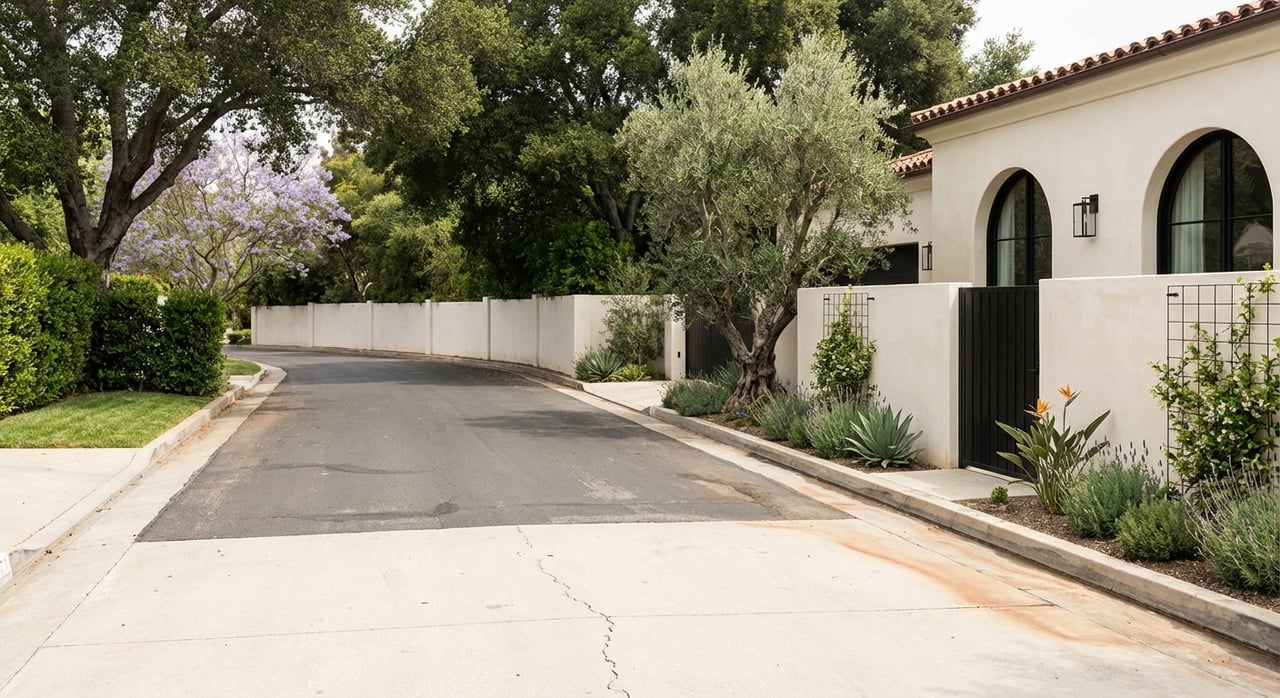
Most long-term residents picture day-to-day Beverly Hills in the area commonly called The Flats, roughly between Sunset Boulevard and Santa Monica Boulevard. Streets are tree lined with sidewalks and a fairly regular block pattern, which suits walking, dog-walking, and stroller time. Proximity to parks and the civic core makes quick errands feel simple.
Golden Triangle and Downtown
The Golden Triangle is the retail and dining core that includes Rodeo Drive and surrounding streets. It draws visitors, but for residents it functions as a service and dining hub. Expect a denser, livelier feel here compared with quieter residential streets nearby.
The Hills and Trousdale Estates
As you move north into the hills, including Trousdale Estates, the landscape becomes steeper and more private. Homes are often on larger lots with city or canyon views. Daily life tends to be less walkable and more car dependent, and the pace feels quieter than the flats.
BHPO vs. City of Beverly Hills
One of the most important distinctions is jurisdiction. Not every address with a 90210 mailing code falls inside Beverly Hills city limits. The Beverly Hills Post Office area, often called BHPO, includes properties that may be in the City of Los Angeles or unincorporated county. That affects services, schools, and permitting. If you see 90210, verify the jurisdiction using guidance like this breakdown of Beverly Hills vs. BHPO.
Parks, cafés, and places you’ll actually use
Yes, Rodeo Drive is here. But most days, you’ll spend more time in parks, neighborhood cafés, and small shopping streets.
Beverly Gardens Park. This linear, 1.9-mile park along Santa Monica Boulevard connects the city’s core with garden blocks, a lily pond, and the iconic sign. The city invested in a multi-year restoration to improve plantings and pedestrian access, making it a reliable spot for morning walks and weekend strolls. Explore the improvements on the Beverly Gardens Park page.
Roxbury Memorial Park. A true neighborhood hub with playgrounds, courts, and a community center that runs classes and programs. It’s where you’ll find youth sports on weekends and casual meetups during the week. See amenities and programs at Roxbury Memorial Park.
Greystone Mansion and Gardens. This 18-acre hillside estate serves as a public park and cultural venue. Beyond its film and history cachet, it hosts concerts and community events that add a steady cultural thread to local life. Learn more about events at Greystone Mansion and Gardens.
For dining, you’ll find both destination restaurants and low-key neighborhood spots around Beverly Drive, Canon Drive, and the surrounding blocks. To get a feel for current openings and options, browse the city’s visitor listings for Beverly Hills dining and cafés.
Getting around: walking, driving, transit, and parking
Beverly Hills earns an average Walk Score of about 75, rated Very Walkable, with Transit Score near 55 and Bike Score near 52. Central ZIP codes 90211 and 90212 tend to feel the most walkable for errands, while hillside streets are more car oriented. See neighborhood-level details on Walk Score’s Beverly Hills page.
Transit is improving along Wilshire Boulevard. The LA Metro D Line (Purple) Extension is scheduled to open in sections, with early segments expected to improve rail access between Beverly Hills and central Los Angeles. Service timing has shifted during construction, so if transit matters to your routine, check the latest status on Metro’s D Line project page.
Parking is part of daily life, especially for errands and dining. The city manages a network of 19 municipal facilities, with metered and short-term options, monthly permits, and mobile pay through Flowbird. If you plan to drive for short trips or host visitors often, review the city’s Parking Services overview to understand garages, meters, and permits.
Schools and city services
Beverly Hills Unified School District (BHUSD) serves the city’s public schools, including Beverly Hills High School and elementary and middle campuses such as Horace Mann, Hawthorne, Beverly Vista, and El Rodeo. The district has reconfigured some K–8 patterns in recent years, so if schools influence your search, confirm the latest boundaries and program details directly with BHUSD.
Public services are city run, with police and fire departments that are visible in community life through events, outreach, and safety programming. If a property is in BHPO rather than within city limits, agency coverage may differ. Always verify the jurisdiction connected to an address before you assume specific services.
Everyday shopping and errands
Beyond the luxury storefronts, your groceries, pharmacies, dry cleaners, and pet care will likely happen on smaller commercial streets near the flats and along Santa Monica and Wilshire corridors. Central pockets make it easy to combine a coffee run with a short walk to the market or pick up. Hillside addresses usually involve quick car trips.
Simple routines residents mention often:
- Morning loop along Beverly Gardens Park, then coffee near the Triangle.
- Midday gym or Pilates, quick salad on Beverly Drive, and a stop at the pharmacy.
- Evenings outdoors at Roxbury or a concert at Greystone when the calendar lines up.
Community and culture
Beverly Hills keeps a steady calendar of city-run events and cultural moments. You’ll see seasonal programs at parks, music at Greystone, and community gatherings around the civic core. Some residents plan around these events to enjoy the energy, while others prefer the quieter rhythm of residential streets. Either way, you can choose the version of Beverly Hills that fits your lifestyle.
Cost reality check
Living in Beverly Hills is expensive, and prices vary sharply by pocket and ZIP. Census data shows owner-occupied home values at $2,000,000 and above, with a wide range by neighborhood and property type. Median gross rent in the city lands in the upper $2,000s based on multi-year survey data. You can review city-level comparisons on Census QuickFacts.
If you are budgeting, consider these practical steps:
- Map your non-negotiables. Sidewalks and easy park access may point you to the flats, while privacy and views may lead you uphill.
- Price by pocket. Costs can shift within a few blocks, especially near commercial corridors and in hillside enclaves.
- Plan for parking. If you expect regular guests or weekday errands by car, factor in parking convenience and building or street permit rules.
- Track transit milestones. If you will use rail, time your move with D Line progress.
Is Beverly Hills a fit for you?
You will probably love Beverly Hills if you value polished public spaces, mature tree-lined streets, and the mix of destination dining with neighborhood cafés. You might prefer another pocket of the Westside if you want a beach-first routine or more relaxed density. The good news is that in a city this compact, you can tailor your day, whether that means a quiet morning walk, a quick run to the market, or a special night out.
If you are weighing the flats, hills, or a BHPO address, make jurisdiction your first filter, then layer in walkability, parking, and park access. That sequence helps you avoid surprises while you focus on the home itself.
Ready to explore homes by pocket and lifestyle, not just ZIP code? Reach out to Stacy White to compare options, preview curated inventory, and map the daily routines that fit you best.
FAQs
Is day-to-day life in Beverly Hills all about Rodeo Drive?
- No. Rodeo Drive sits in a small commercial core, while most residents spend their time in quieter residential pockets, parks, and neighborhood cafés. For current dining options, check the city’s visitor listings.
How walkable is Beverly Hills for errands?
- Central ZIPs near the Golden Triangle score the highest for walkability, while many hillside streets are car oriented. See neighborhood scores on Walk Score.
What should I know about schools in Beverly Hills?
- BHUSD is the local public district, and campuses have seen K–8 reconfiguration in recent years. Always confirm boundaries and programs with BHUSD when evaluating an address.
Will the new subway affect my commute?
- The LA Metro D Line Extension along Wilshire is opening in stages and is expected to shorten trips to central LA for some residents. Check current timing on Metro’s project page.
What is the difference between Beverly Hills and BHPO?
- BHPO refers to 90210 addresses that may sit outside Beverly Hills city limits, which can change services, schools, and permitting. Review this guide on Beverly Hills vs. BHPO and verify each address before you decide.