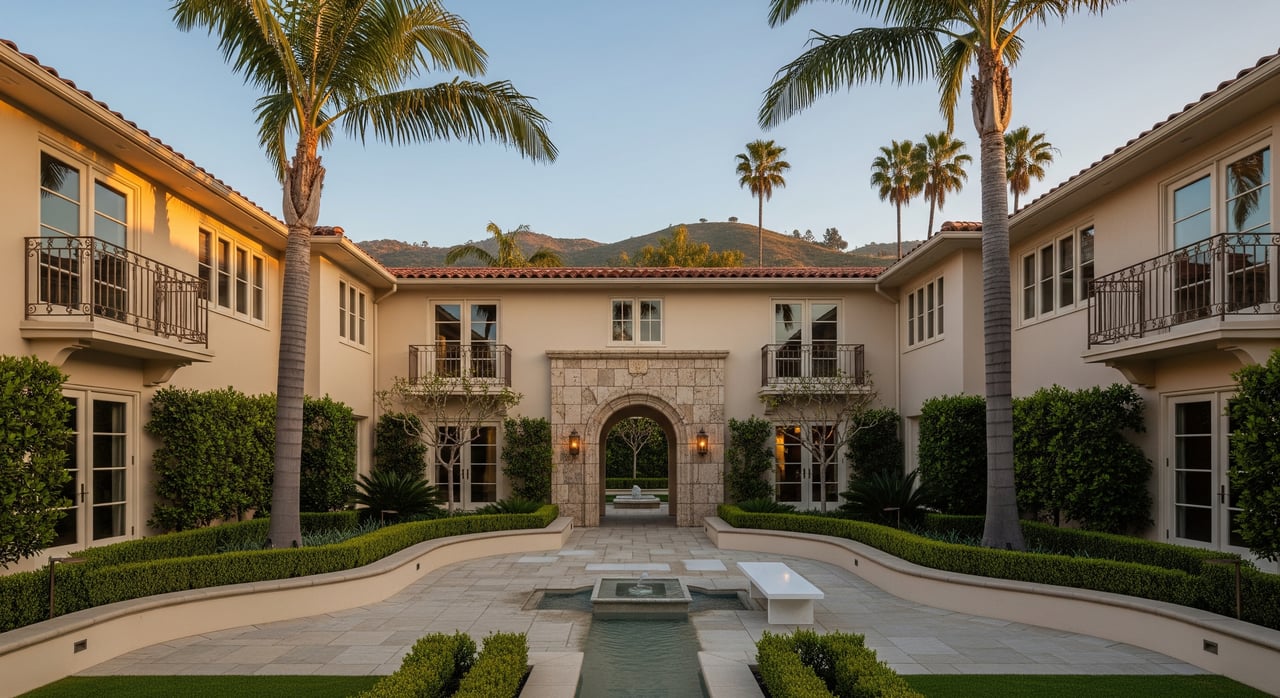
Thinking about a home in the Beverly Hills Flats? You are not alone. Many buyers compare this area with the Hills and the neighborhoods south of Wilshire as they weigh lifestyle, convenience, and long-term value. In this guide, you will learn how the Flats live day to day, what homes look like, and what drives prices so you can move forward with confidence. Let’s dive in.
What and where are the Beverly Hills Flats?
The Beverly Hills Flats generally refers to the relatively level, residential heart of the City of Beverly Hills, with Wilshire Boulevard at the southern edge and the hillside neighborhoods to the north. Exact boundaries vary by source, and you will find small shifts block to block.
Beverly Hills is its own incorporated city in Los Angeles County. Local planning and zoning are handled by the City of Beverly Hills. Many residential streets in the Flats are zoned for single-family homes under R1 variants, while multi-family and commercial uses cluster along major corridors like Wilshire and Santa Monica Boulevard. If you are considering construction or expansion, confirm zoning, setbacks, and allowable lot coverage with city resources before you bid.
Lifestyle and walkability
The Flats are known for everyday convenience. Many blocks place you within a short stroll of shopping and dining on Rodeo Drive, Beverly Drive, and Canon Drive. You can grab a coffee, meet friends for dinner, and browse boutiques without getting in the car.
Commuting across Los Angeles is still car-centric, but you have quick access to major arteries like Wilshire and Santa Monica Boulevard. Local bus routes serve the area, and the grid of tree-lined streets makes neighborhood trips simple. For fresh air and green space, Beverly Gardens Park and smaller community parks offer welcome breaks close to home.
Homes and architecture you will find
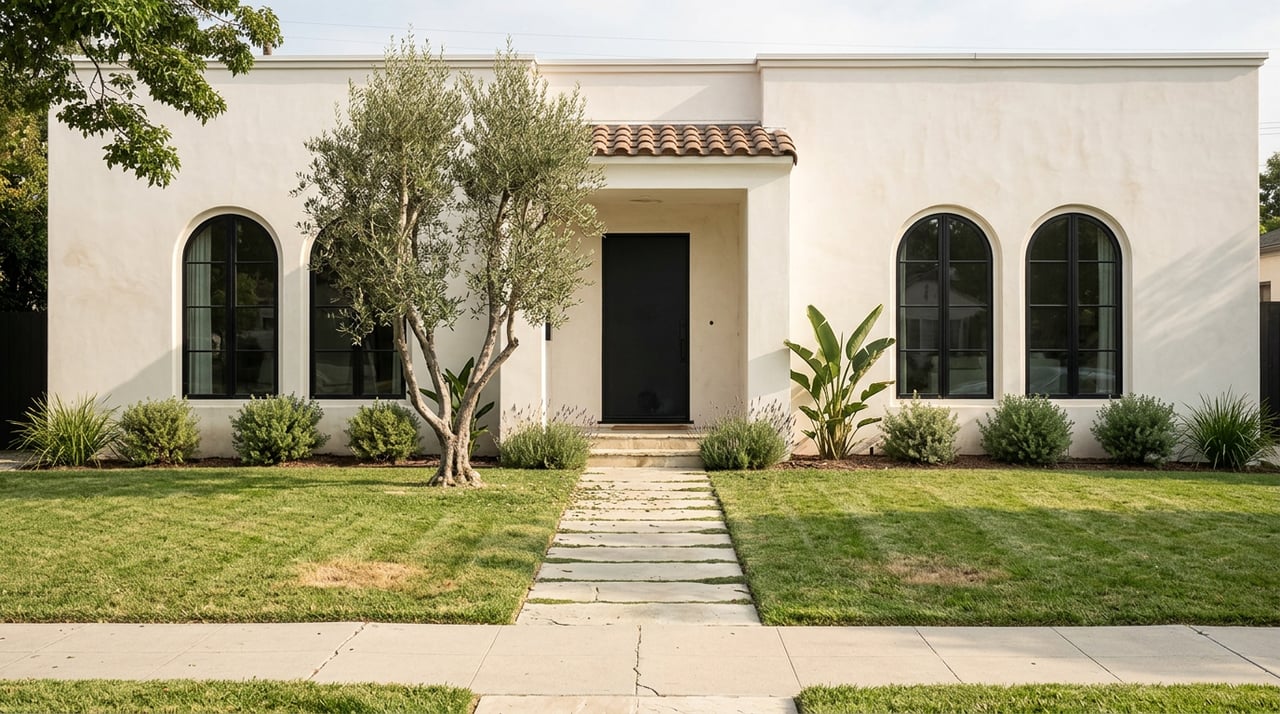
The Flats feature a classic mix of early- to mid-20th-century styles with thoughtful updates over time. You will see Spanish and Mediterranean Revival, Tudor and English influences, Colonial Revival, and Craftsman bungalows. Mid-century ranches appear on select blocks, and many older homes have been expanded or rebuilt as contemporary residences.
Because land values are high, remodels and new luxury builds are common. You will find historic cottages next to larger, reimagined homes on the same street. Closer to the main corridors, smaller condominium and apartment buildings become more common, including mid-rise properties built in the mid-20th century and later.
Lots in the Flats tend to be more regular and walkable than the hillside areas. Streets are broadly gridded, and driveways are shorter with fewer steep slopes. That said, lot sizes vary by micro-area, and two nearby blocks can have very different parcel sizes. Always confirm the exact lot dimensions and any easements or setbacks for a specific address.
Market snapshot and price drivers
Citywide, Beverly Hills is one of the highest-priced markets in the region. Within the city, hillside estates often command the highest absolute prices. The Flats are typically somewhat lower on that spectrum but still trade at multi-million-dollar levels for many single-family homes. Condominiums and smaller homes in the Flats can provide relatively lower entry points compared with hillside estates.
What drives value in the Flats
- Proximity to prime retail and dining, especially near Rodeo Drive and Beverly Drive
- Lot size and street appeal, including tree-lined blocks and pocket parks
- Renovation level, new construction quality, and functional floor plans
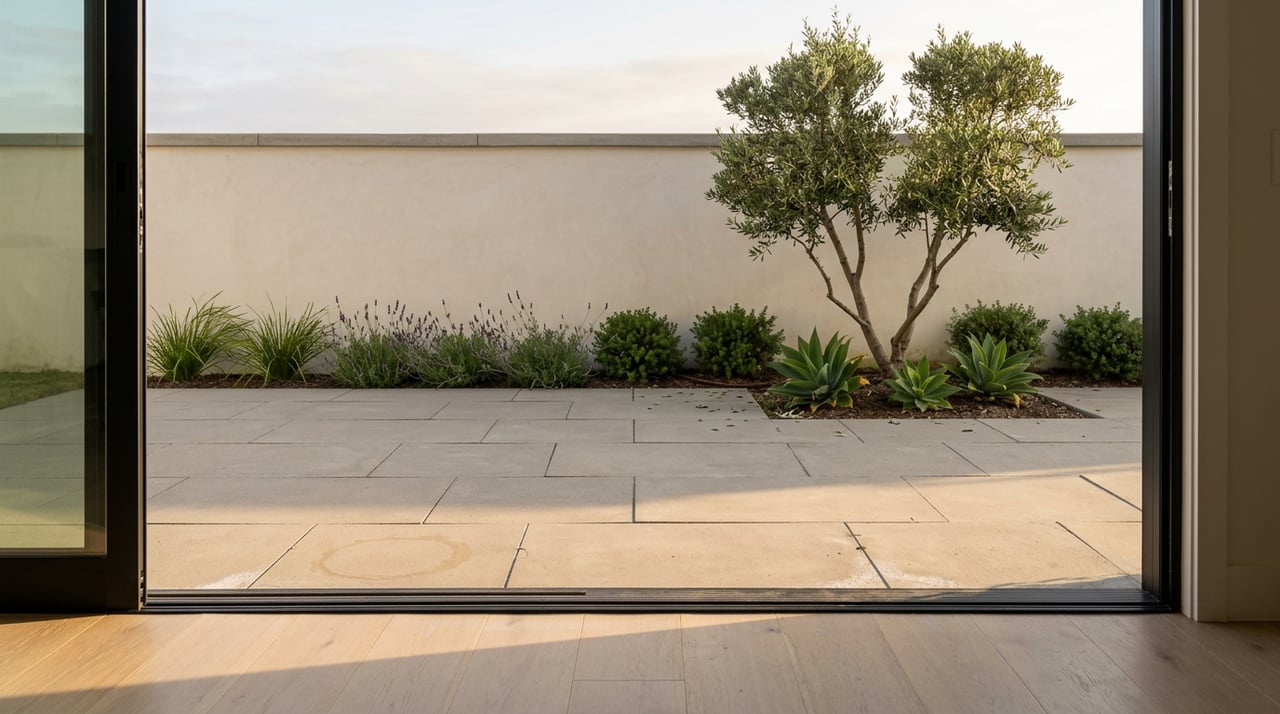
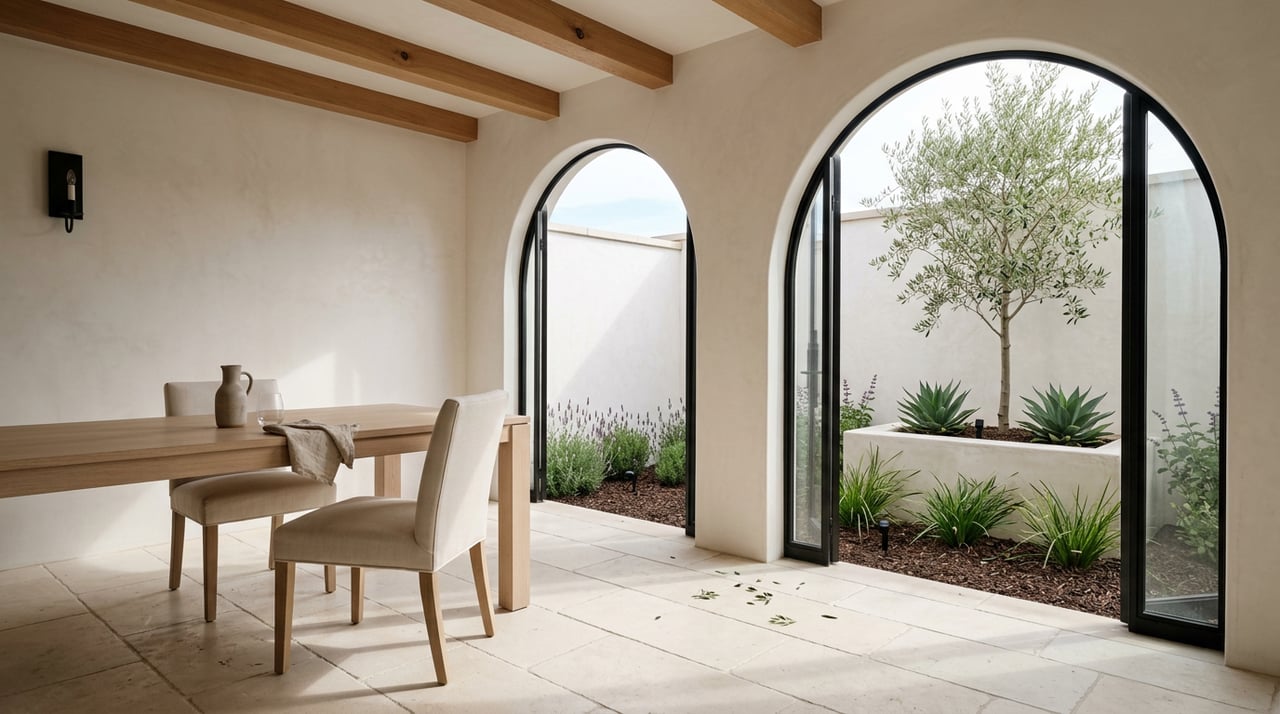
- Privacy and outdoor space, even without hillside views
- Location near Beverly Gardens Park and key east-west corridors
Supply, demand, and timing
Inventory in Beverly Hills is often tight, and well-located Flats properties can draw intense interest. Off-market and private sales are common at the luxury end, and some homes receive multiple offers when they launch. Like other luxury submarkets, the Flats can move with changes in interest rates, equity markets, and the timing of new listings, so staying close to current data and local comps is key.
Transaction notes to plan for
- Property taxes follow California’s Prop 13 rules, with reassessment at sale. Your base-year value will reset when you purchase.
- Many homes are older. Ask for detailed disclosures and inspection records, including seismic retrofits and any work on foundations or unreinforced masonry.
- Historic or conservation overlays may affect renovation scope. Confirm with the City before making plans.
- Insurance considerations matter. The Flats generally have lower wildfire exposure than hillside areas, but earthquake risk is part of Los Angeles County, and standard hazard disclosures apply.
Flats vs. the Hills vs. south of Wilshire
Choosing between Beverly Hills micro-areas often comes down to tradeoffs. Here is how buyers typically compare them.
Flats vs. Hills
- Topography and access: The Flats offer level streets and easy daily access. The Hills feature steeper lots that deliver more natural privacy and, in some cases, views.
- Architecture and scale: The Hills often include larger estate parcels and high-end modern builds. The Flats mix early-20th-century charm with modern remodels and new construction.
- Pricing context: Hillside estates often set the top end of the market. Flats homes are still expensive but can trade below comparable hillside estates on a price-per-property basis.
Flats vs. south of Wilshire
- Streets and housing mix: South of Wilshire can feel denser, with more multi-family buildings and a broader range of condos. The Flats lean more single-family on their interior blocks.
- Access and daily life: Both areas are walkable in parts, but the Flats position you closer to the core Beverly Hills retail and dining districts.
- Price profile: Single-family homes in the Flats often sit at higher price points than many south-of-Wilshire blocks, while smaller condos south of Wilshire may offer lower entry costs depending on the building and location.
Who the Flats tend to fit
- You want walkable access to shopping, dining, and services without long drives for daily errands.
- You value historic character with the option to remodel or rebuild on a regular lot.
- You prefer level streets and easier access over hillside driveways and terrain.
- You want strong public-school options through Beverly Hills Unified School District and proximity to many private schools.
- You are considering a luxury condo or townhome near major corridors but want Beverly Hills amenities and services.
Due diligence checklist for buyers
- Verify zoning, setbacks, and lot coverage with the City of Beverly Hills for your exact parcel.
- Order a block-specific comp report and track both on-market and recent off-market sales.
- Confirm BHUSD school boundaries for the current year if that is a key factor for you.
- Budget for renovation or seismic retrofit work, especially with older construction.
- Review parking and permit rules for the block. Guest parking varies by street.
- Discuss insurance availability and costs early, including earthquake coverage.
Schools and education options
Most addresses in Beverly Hills are served by the Beverly Hills Unified School District, which many families consider high-performing relative to regional options. Buyers also look at a wide range of private and independent schools in and around the city. Because boundaries and program details can change, confirm the current assignment for any property you are considering.
How to approach your search
Start by clarifying the lifestyle you want day to day. If you picture walking to dinner, grabbing coffee on Beverly Drive, and living on a tree-lined street with classic architecture, the Flats should be on your short list. If you want maximum privacy, larger acreage, or dramatic views, the Hills may be a better fit.
Next, zoom in at the block level. In the Flats, two adjacent blocks can have very different lot sizes and property types. Touring at various times of day helps you understand traffic patterns, parking, and the feel of each street. If you plan to renovate or rebuild, speak with the city early to understand setbacks, height limits, and any historic review considerations.
Finally, align your search with current supply. Because inventory is often tight, you may want to explore private or off-market opportunities and be ready with recent comps when the right home appears.
Work with a trusted local advisor
Buying in the Flats is as much about nuance as it is about price and square footage. You benefit from a team that knows the micro-areas, tracks quiet listings, and can guide you through inspections, zoning checks, and long-term resale considerations. If you are exploring options in the Flats or comparing them to the Hills or south-of-Wilshire, we are here to help.
Ready to take the next step? Connect with Stacy White for a private consultation and a tailored plan for your Beverly Hills search.
FAQs
How do Beverly Hills Flats prices compare to the Hills?
- Hillside estates often set the top end of the market, while Flats homes are still expensive but typically lower than comparable Hills properties on a per-property basis.
Is the Flats area walkable to Rodeo Drive and restaurants?
- Many Flats blocks are a short walk to Rodeo Drive, Beverly Drive, and Canon Drive, though exact walk times vary by street.
What home styles are common in the Beverly Hills Flats?
- You will find Spanish and Mediterranean Revival, Tudor and English, Colonial Revival, Craftsman bungalows, mid-century ranches, and modern renovations or rebuilds.
Are public schools in Beverly Hills considered strong?
- Beverly Hills Unified School District is widely regarded as high-performing, and many buyers also consider nearby private and independent schools; verify current boundaries for any address.
Do the Flats face wildfire or hillside hazards?
- The Flats generally have lower wildfire exposure than hillside areas, but standard Los Angeles County earthquake risk and other urban hazards still apply, so plan for proper insurance.